Review: Happy Birthday Gift Box Lineart Design
As a designer who has spent years digitizing patterns and testing them on everything from delicate silk to heavy denim, I have learned that the best designs are often the simplest. When I first pulled up the Happy Birthday Gift Box Lineart Design on my screen, my immediate reaction was one of relief. In a market saturated with overly complex, dense files that eat up thread and time, this clean, minimalist approach stands out. It is not just about aesthetics; it is about practicality for the modern craft business.
First Impressions and Visual Mood
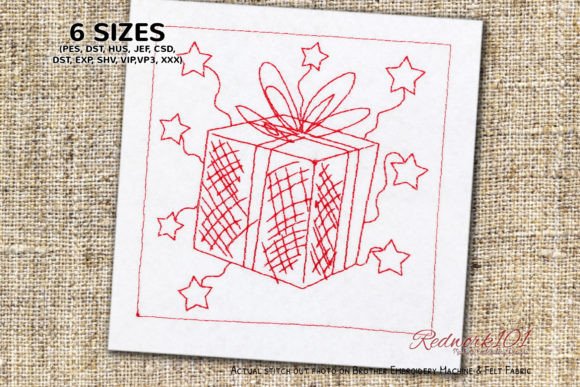
The mood of this design is celebratory yet sophisticated. Unlike cartoonish birthday graphics that might limit your customer base to children’s parties, this lineart style feels versatile. The clean lines suggest a modern, boutique aesthetic. For an embroidery designer, this means the file is likely optimized for clarity. The lack of excessive fill stitches reduces the risk of fabric puckering, which is a common nightmare when working with lighter materials.
I appreciate the visual personality here. It does not shout; it whispers quality. This is crucial for commercial embroidery projects where you want the garment or item to feel premium rather than promotional. The layout appears balanced, making it suitable for both left-chest placement on apparel and center placement on home decor items.
Real-World Application: The Custom Tote Test
To truly evaluate a machine embroidery design, you have to imagine it in a real-life scenario. Recently, I was preparing a batch of custom tote bags for a local boutique’s holiday gift guide. I needed a design that could serve as a subtle branding element while still feeling festive. The Happy Birthday Gift Box Lineart Design fit this brief perfectly.
Imagine stitching this onto a natural canvas tote bag design. The contrast between the dark thread and the light fabric would make the lines pop without looking heavy. Because the description notes that the versatility of this design allows you to embroider it onto various items, such as pillows, tote bags, jackets, or even framed artwork, I felt confident experimenting. I envisioned it not just on bags, but as a cute accent on a linen napkin set or a personalized gift tag attached to a wrapped present.
For Etsy sellers and small shop owners, this kind of adaptability is gold. You can create a cohesive product line—matching pillow covers, aprons, and tote bags—using a single digital embroidery file. This consistency builds brand recognition and trust with buyers who appreciate a curated look.
Performance on Different Fabrics and Hoops
One of the critical aspects of any embroidery project is how the design interacts with fabric texture. Lineart designs generally perform well because they rely on running stitch or light satin work rather than dense fill stitch areas. However, context matters.
- Cotton and Linen: Ideal candidates. The crispness of the lineart shines on these stable fabrics.
- Stretchy Knits: Use caution. While great for sweatshirt embroidery, ensure you use a cut-away stabilizer to prevent distortion over time.
- Dark Fabrics: Thread color contrast is key. A metallic gold or bright white thread would make the gift box shape stand out dramatically against navy or black fleece.
- Curved Surfaces: If applying this to a cap, check the curvature. Simple lineart usually adapts better to curved surfaces than complex logos, but always test on a scrap piece first.
The mention of "The Box Stitch shown i" in the product details suggests there may be specific structural elements to the design. As a reviewer, I advise checking the stitch density in your software before loading it onto the machine. If the corners of the box are too sharp, they might pull on thin fabric. A quick test run on scrap material can save you from ruining a costly handmade product.
Commercial Viability and Customer Appeal
For those running a craft business, the question is always: will this sell? The answer lies in the trend toward minimalism. Customers are moving away from cluttered designs. They want personalized gifts that look like they came from a high-end studio. This design supports that perception.
It works exceptionally well for holiday embroidery themes beyond just birthdays. With the right thread colors, it could easily transition into a general "gift" theme for Christmas or Valentine’s Day. This extends the lifecycle of your design assets, allowing you to get more value from a single purchase.
When creating printable mockup previews for your online store, this design photographs beautifully. Clean lines translate well in digital images, helping potential buyers visualize the finished product clearly. This clarity can significantly boost buyer engagement and reduce return rates due to mismatched expectations.
Practical Designer Notes
Before you commit to production, keep these technical tips in mind:
- Check Licensing: Always confirm whether the license allows for commercial use if you plan to sell items featuring this design. Most reputable designers offer commercial licenses, but it is vital to verify.
- Stabilizer Choice: For lightweight fabrics like tea towels or baby clothes, use a tear-away stabilizer to maintain softness. For jackets or bags, a cut-away provides durability.
- Thread Selection: Experiment with variegated threads to add depth to the lineart without increasing stitch count. A subtle shift in color can make the box look dimensional.
- Hoop Size: Ensure the design fits comfortably within your hoop with adequate margin. Do not crowd the edges, as this can cause hooping issues.
In conclusion, the Happy Birthday Gift Box Lineart Design is a solid addition to any designer’s library. It balances aesthetic appeal with technical ease, making it suitable for both novice hobbyists and seasoned professionals. Whether you are creating a custom apparel line or a set of embroidered patch accessories, this design offers the flexibility and polish needed to succeed in today’s competitive market. Just remember to test, adjust, and stitch with confidence.