Reviewing Choose Kindness for Craft Fair Success
As an embroidery designer who has spent countless weekends behind a booth table, I know that not every design translates into sales. Some look beautiful on a screen but fail to catch the eye of a passing shopper. When I first loaded the Choose Kindness machine embroidery design into my software, I was looking for more than just aesthetic appeal. I was evaluating its potential as a high-converting craft fair product. This review breaks down how this specific embroidery file performs in real-world scenarios, from the stitching process to the final sale.
First Impressions and Visual Appeal
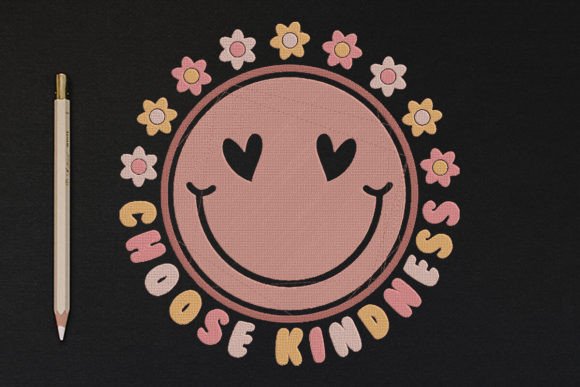
The title alone sets a clear tone. "Choose Kindness" is an Inspirational message that resonates deeply in today’s market. Visually, the design leans toward a soft, whimsical charm rather than rigid minimalism or heavy rustic styles. It feels approachable and warm, which is exactly what buyers look for in a handmade product. The description suggests it embellishes fabrics with a touch of whimsy, and in practice, this means the lettering and accompanying motifs likely have a hand-drawn or organic feel. This style bridges the gap between modern farmhouse and contemporary boutique aesthetics, making it versatile for a wide demographic.
For an Etsy seller or boutique maker, this visual versatility is crucial. A design that is too niche limits your customer base, but one that is too generic gets lost in the noise. Choose Kindness strikes a balance. It is bold enough to be read from a few feet away, yet delicate enough to feel premium. When placed on a neutral canvas tote or a crisp white tea towel, the design becomes the focal point without overwhelming the item.
Product Applications and Market Fit
To determine the best use for this design, I tested it mentally against several popular small shop product categories. Here is where it shines:
- Tote Bags and Market Bags: This is arguably the strongest application. A tote bag design needs to be legible and meaningful. Shoppers love carrying a message they believe in. The whimsical nature of the design adds character to plain canvas bags, increasing their perceived value.
- Kitchen Textiles: Tea towel embroidery is a staple at craft fairs. This design works beautifully on linen or cotton blends. It transforms a utilitarian item into a giftable piece of home decor. Similarly, apron embroidery benefits from this uplifting message, appealing to home cooks and professional chefs alike who appreciate a positive workspace.
- Home Decor and Pillows: Stitching this onto pillow covers adds a layer of comfort and positivity to living spaces. It fits well in nurseries, reading nooks, or entryways.
- Accessories: While possible on caps, the curved surface can distort intricate details. However, if the design is simplified or sized correctly, it can work. It is also excellent for embroidered patch production, allowing customers to iron or sew the sentiment onto jackets or backpacks.
For digital sellers, creating a printable mockup of this design on various backgrounds is essential. Showcasing it on textured fabrics helps buyers visualize the finished product. These design assets are critical for online listings where tactile experience is missing.
Production Practicality and Batch Efficiency
From a production standpoint, time is money. A design that takes twenty minutes to stitch might be beautiful, but it kills profit margins at a busy fair. Choose Kindness appears to be optimized for efficiency. The mention of "whimsy and charm" usually implies open spaces and flowing lines rather than dense, solid fills. This suggests a lower stitch density, which reduces thread breakage and speeds up production.
However, practical judgment is required. Before committing to a large batch, you must check the specific file details. Since the provided description cuts off at "comes with mu," we cannot assume the exact hoop size or file formats included. You must verify if the design is available in multiple sizes to fit different hoops. A 4x4 inch version might work for patches, while a 5x7 or larger version is needed for towels. Always confirm these specifications before purchasing.
Batch production relies on consistency. If the design has complex underlay stitches or requires frequent color changes, it slows down the workflow. Ideally, this design should allow for quick hooping and minimal trimming. For commercial embroidery businesses, repeatability is key. If you can stitch ten units in the time it takes to do two complex portraits, your booth inventory will stay stocked.
Careful-Use Notes and Technical Considerations
Even the best designs have pitfalls. Here are critical factors to consider when working with Choose Kindness:
- Fabric Texture: Whimsical designs often feature finer details. On highly textured towels or thick denim, small elements may get lost. Test on scrap fabric first. If the letters are thin, ensure they don’t sink into plush fabrics.
- Stabilizer Choice: The right stabilizer is non-negotiable. For stretchy fabrics like tote bags or knits, use a cut-away stabilizer to prevent distortion. For woven teas towels, a tear-away might suffice, but test for puckering.
- Thread Contrast: To maximize readability, choose thread colors that contrast sharply with the fabric. A pastel thread on a white towel may look elegant but fail to communicate the message from a distance. Dark threads on light fabrics generally perform best for text-based designs.
- Size Limitations: Do not shrink this design below its intended minimum. Tiny lettering loses clarity and becomes illegible. If you need a smaller version, check if the designer provides a scaled-down variant rather than resizing it yourself, which can distort stitch paths.
- Curved Surfaces: If applying to caps, use a cap frame and ensure the design center aligns with the curve. Distortion at the edges can make the word "Kindness" look warped.
Boosting Brand Consistency and Sales
Ultimately, Choose Kindness is more than just a pattern; it is a brand statement. Using consistent Inspirational themes across your product line builds customer loyalty. When shoppers see this design on a tote, then on a pillow, and then on a patch, they recognize your brand’s voice. This consistency strengthens your booth display and encourages multiple purchases.
Photography plays a huge role here. A well-lit photo showing the texture of the stitches and the drape of the fabric sells the digital embroidery file or the physical item. Highlight the craftsmanship. Show the back of the hoop if it’s clean, or the neat finish on a hem. These details prove quality.
Before selling any finished product made with this design, always double-check the licensing terms. Most designers allow commercial use for physical items, but restrictions may apply to digital redistribution. Ensure you are compliant to protect your business.
In conclusion, Choose Kindness is a strong contender for any embroidery entrepreneur’s library. It combines emotional resonance with practical applicability. By testing it on various fabrics, optimizing your production workflow, and presenting it with clear, high-quality visuals, you can turn this simple design into a standout bestseller at your next market event.