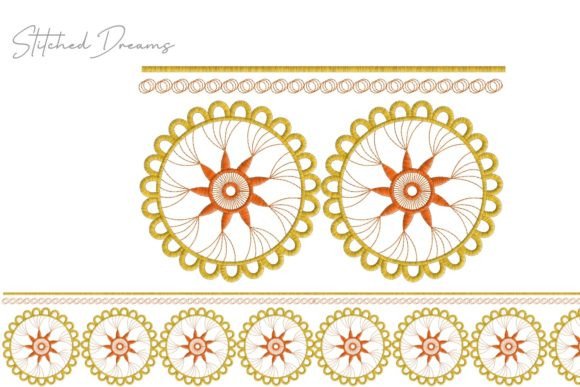
Border of Flowers: A Designer’s Review for Real Projects
As an embroidery designer who has spent years digitizing and testing patterns, I approach every new machine embroidery design with a mix of curiosity and caution. We have all seen those digital previews that look flawless on screen but turn into a tangled mess of thread breaks and puckering on actual fabric. When I first opened the files for Border of Flowers, my immediate goal was not just to admire the aesthetics, but to determine if this pattern could withstand the rigors of real-world production. This is not just about pretty pixels; it is about creating a finished product that holds up to washing, wearing, and customer scrutiny.
First Impressions and Visual Mood
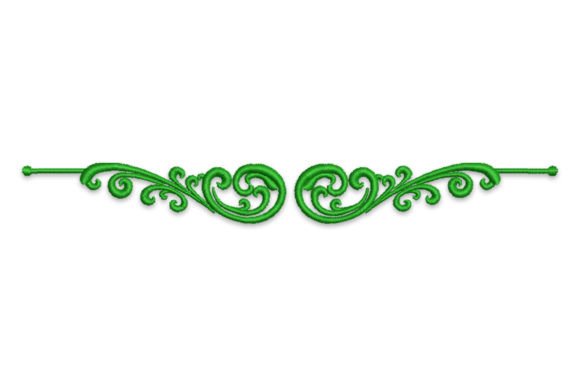
The initial visual impact of Border of Flowers is one of refined elegance. It avoids the cluttered, overly dense look that plagues many floral Borders in the marketplace. Instead, it offers a breathable layout where delicate blooms and intricate foliage have room to exist without fighting for space. The mood is organic and soft, making it an ideal candidate for projects that require a touch of sophistication without feeling stiff or formal. For a craft business owner, this visual personality is crucial because it appeals to a broad demographic, from brides seeking wedding gifts to parents looking for subtle nursery decor.
What stands out most is the balance between detail and clarity. In Embroidery, less is often more when it comes to stitch definition. This design seems to understand that distinction, using open spaces to let the fabric texture show through, which adds depth to the final piece. It feels like a garden captured in thread, rather than a solid block of color.
Real-World Application: The Tote Bag Test
To truly evaluate a design, you must imagine it on a specific item. I mentally placed Border of Flowers on a heavy canvas tote bag, a staple for any Etsy seller. The horizontal flow of the border works exceptionally well here, framing the top or bottom edge of the bag without disrupting the structural integrity of the fabric. Because the design is linear, it guides the eye across the product, enhancing the perceived value of the handmade product.
I also considered its use in custom apparel, specifically a sweatshirt. Placing this border along the hem or cuff of a crewneck creates a boutique feel that mass-produced clothing rarely achieves. The delicate nature of the blooms contrasts nicely with the casual, sturdy nature of fleece or cotton blends. However, this is where practical judgment comes in. On a curved surface like a sleeve cuff, the straight line of the border might require careful hooping to prevent distortion. For flat surfaces like the back of a jacket or a pillow cover, the alignment is straightforward and forgiving.
Navigating Fabric and Stitch Challenges
While Border of Flowers is versatile, it is not without its technical demands. The intricate foliage suggests a mix of satin stitch for stems and finer details, and fill stitch for the larger petals. This combination requires attention to stitch density. If the density is too high on thin fabrics like rayon or lightweight cotton, you risk puckering. I strongly advise using a cut-away stabilizer for garments that will be washed frequently, as it provides the necessary support to keep the stitches from pulling the fabric out of shape.
For baby embroidery projects, such as onesies or burp cloths, caution is key. The small details in the foliage must be checked for size. If the elements are too tiny, they may not stitch out cleanly on textured towels or stretchy knits. Always test the design on scrap fabric first. This step is non-negotiable for professional results. Check how the thread colors interact with your chosen material. A dark thread on a light fabric will highlight every imperfection, while similar tones might cause the design to get lost. Testing in black and white mockups can help you judge the contrast and clarity before you commit to expensive threads.
Commercial Viability and Brand Consistency
For small shop product lines, consistency is vital. Border of Flowers offers a level of professionalism that builds customer trust. When a buyer sees clean, well-defined stitches, they associate that quality with your brand. This design can serve as a signature element across various items, from embroidered patch applications to kitchen towel hems. Using a consistent design motif helps in creating a recognizable brand identity, which is essential for standing out in crowded marketplaces.
Moreover, this digital embroidery file lends itself well to printable mockup creation. Because the lines are clean and the composition is balanced, it photographs beautifully for online listings. High-quality visuals drive engagement, and a design that looks good in photos will likely look good in person. This reduces the gap between customer expectation and reality, leading to fewer returns and higher satisfaction.
Practical Designer Notes
Before integrating Border of Flowers into your workflow, consider these practical steps:
- Check Hoop Size: Ensure the design fits within your machine’s maximum hoop area. While borders are often scalable, resizing too much can distort the aspect ratio and affect stitch quality.
- Review License Terms: If you plan to sell commercial embroidery items, verify the licensing agreement. Some designers allow unlimited physical sales but restrict digital redistribution. Confirm this before listing items on Etsy or at craft fairs.
- Thread Selection: Use high-quality polyester or rayon threads for sheen and durability. Cotton threads may break more easily in dense areas.
- Fabric Compatibility: Avoid using this design on extremely stretchy fabrics without proper stabilization. It performs best on stable wovens or firmly backed knits.
- Detail Inspection: Zoom in on the digital file to check for potential jump stitches or unnecessary trims that could slow down production time.
In conclusion, Border of Flowers is a strong contender for designers looking to add a touch of natural elegance to their portfolio. It requires thoughtful execution regarding stabilizer choice and fabric selection, but the payoff is a sophisticated, high-value personalized gift or retail item. By respecting the technical requirements of the design, you can transform a simple embroidery project into a standout piece that resonates with customers and elevates your craft.