Patchwork Letter E: A Designer’s Review for Brand Merch
As an embroidery designer who has spent years refining digitized artwork for commercial use, I approach every new machine embroidery design with a critical eye. It is not enough for a file to look pretty on a screen; it must perform under the needle, withstand washing, and elevate the brand it represents. Recently, I reviewed Patchwork Letter E, a distinctive piece from the Borders category that promises to add a stylish accent to home decor, outfits, and accessories. For small business owners, Etsy sellers, and apparel decorators, this review breaks down whether this design is ready for prime time in your product lineup.
First Impressions: Visual Personality and Style
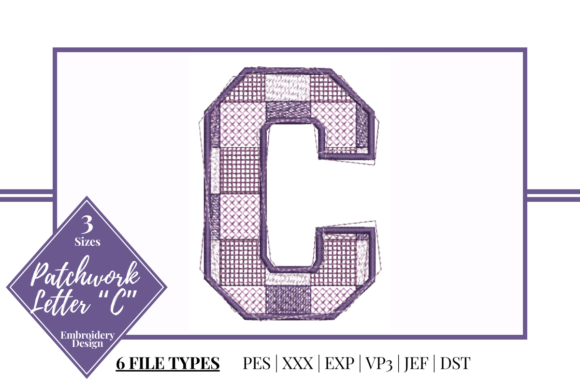
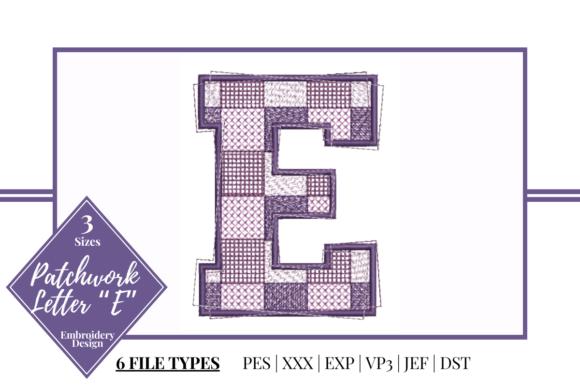
The immediate impression of Patchwork Letter E is one of curated charm. The term "patchwork" suggests a quilted, textured aesthetic that feels both rustic and handmade. In a market saturated with sleek, minimalistic vector logos, this design offers a tactile warmth that appeals to customers seeking authenticity. It does not scream corporate rigidity; instead, it whispers boutique craftsmanship. This makes it an excellent candidate for brands that want to project friendliness, creativity, and approachability.
For a bakery, a florist, or a local creative studio, this visual language aligns perfectly with their identity. The design feels decorative yet structured, balancing the organic feel of patchwork with the clarity of a letterform. However, because it falls under the Borders product category, it likely carries a certain weight and presence. It is not a subtle watermark; it is a statement piece. When considering this for your brand identity, ask yourself if your brand voice is playful and artisanal. If so, this design is a strong contender.
Real-World Application for Small Business Merch
The true test of any digital embroidery file is its versatility across different substrates. I evaluated how Patchwork Letter E performs in various commercial scenarios. Here is where it shines:
- Embroidered Patches: This is perhaps the strongest use case. The patchwork aesthetic naturally lends itself to the border-heavy construction of a patch. You can create iron-on or sew-on patches for customer gifts or event merch. The texture of the design mimics the look of fabric layers, making it ideal for a standalone embroidered patch that customers can apply to jackets or bags.
- Tote Bag Design: Canvas tote bags are a staple for handmade brands. Placing this letter on a tote adds immediate value. The robust nature of the design ensures it stands out against the coarse weave of canvas, turning a simple bag into a branded accessory.
- Apron Embroidery: For cafes and bakeries, staff uniforms are walking billboards. An apron featuring Patchwork Letter E on the chest pocket or bib area creates a cohesive, professional look. It signals attention to detail and reinforces the handmade quality of the food or products being served.
- Cap Embroidery: While possible, this requires caution. The design works well on unstructured dad hats where a slightly larger, softer logo is acceptable. However, ensure the scale is reduced appropriately to fit the curved front panel without distorting the patchwork effect.
Technical Considerations and Production Notes
Before you load this embroidery file into your machine for a large production run, there are critical technical factors to address. As a designer, I always advise testing the limits of a design before committing to client work.
Stitch Density and Fabric Texture: Patchwork-style designs often rely on varied stitch directions to simulate different fabric pieces. This can increase stitch density. On delicate fabrics like silk or thin polyester, this may cause puckering. Always use a high-quality cut-away stabilizer for garments that will be washed frequently. For heavier items like denim jackets or canvas totes, a tear-away stabilizer might suffice, but test first.
Scale and Legibility: Because this is a letter design, legibility is paramount. If you shrink Patchwork Letter E too much for a small chest logo on a polo shirt, the intricate "patchwork" details may merge into a blob. I recommend stitching a test sample at your intended size. If the internal details disappear, you may need to simplify the color changes or increase the size.
Thread Colors and Contrast: The product description notes that colors can be altered based on the embroidery thread colors put in your machine. This is a crucial feature. To maintain the patchwork illusion, you need high contrast between the adjacent "patches." Using monochromatic threads will flatten the design and lose its defining characteristic. Choose thread colors that complement your brand palette but still offer enough distinction to define the letter’s structure.
Enhancing Brand Identity and Customer Trust
In the world of small business merch, consistency builds trust. Using a unique, textured design like Patchwork Letter E across your design assets creates a recognizable visual signature. When a customer sees this specific style on your packaging, your website’s printable mockup, and your physical products, it reinforces professionalism.
Furthermore, embroidered items perceive higher value than printed ones. An embroidered patch or logo suggests durability and quality. By incorporating this design into your custom apparel or product labels, you elevate the perceived worth of your handmade product. It tells the buyer that you care about the finish and the details, which directly impacts buyer engagement and loyalty.
Practical Steps Before Commercial Use
To ensure success with commercial embroidery projects using this file, follow this checklist:
- Check the Specs: The description does not list exact stitch count, file formats, or hoop sizes. Contact the seller or check the download folder to confirm compatibility with your machine. Ensure you have the correct hoop size available for the design’s dimensions.
- Test on Real Fabric: Do not rely solely on digital simulations. Stitch the design on the actual material you plan to use for your final product. Check for thread breaks, nesting, or registration issues.
- Create a Mockup: Use a printable mockup or photo editing software to place the stitched result on your product images. This helps clients visualize the final look before you commit to production.
- Verify Licensing: Confirm the commercial licensing terms. Ensure you are allowed to sell items featuring this design. Most designers allow it, but restrictions on mass production quantities may apply.
- Compare Assets: Place Patchwork Letter E beside your other branding elements. Does it clash with your primary logo? Or does it serve as a complementary secondary mark? Consistency is key to a polished brand presentation.
In conclusion, Patchwork Letter E is a versatile and charming addition to any embroidery designer’s library. It excels in applications that benefit from a handmade, textured aesthetic, such as patches, totes, and aprons. By paying attention to stitch density, color contrast, and scale, you can leverage this design to create high-value small business merch that resonates with customers. It is not just a letter; it is a tool for building a tangible, trustworthy brand presence.