Review: Paint Bucket and Wet Brush Redwork for Merch
As an embroidery designer who has spent years digitizing logos and testing files for small business clients, I approach every new machine embroidery design with a critical eye. It is not just about whether the image looks cute on a screen; it is about how that design translates to fabric, thread, and ultimately, brand perception. Recently, I evaluated the Paint Bucket and Wet Brush Redwork for potential use in commercial projects. This piece stands out not because of complex shading or thousands of stitches, but because of its strategic simplicity and versatility.
First Impressions: Professional Simplicity
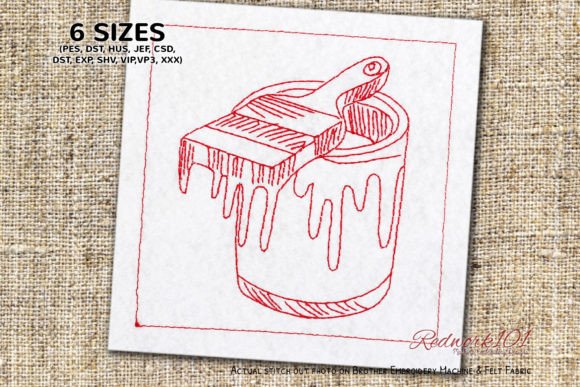
The immediate visual impact of the Paint Bucket and Wet Brush Redwork is one of approachable professionalism. In the world of Sewing and textile arts, redwork is a classic technique that relies on single-color stitching to create bold, clear outlines. This design captures that aesthetic perfectly. It feels handmade yet refined, striking a balance between rustic charm and modern minimalism. For a creative studio, boutique, or local café, this imagery communicates creativity without being overly cluttered. It suggests that the brand values craftsmanship and attention to detail.
Unlike dense, photo-realistic designs that can look muddy when scaled down, this redwork style maintains its integrity. The lines are clean, and the subject matter is universally recognized. Whether you are targeting artists, DIY enthusiasts, or general consumers who appreciate artisanal goods, this design serves as a friendly ambassador for your brand identity.
Real-World Business Applications
The true value of any digital embroidery file lies in its adaptability. The product description notes that the versatility of this design allows you to embroider it onto various items, such as pillows, tote bags, jackets, or even framed artwork. From a business perspective, this opens up multiple revenue streams for small business owners and merch creators.
- Branded Patches: This is perhaps the strongest use case. A redwork design translates beautifully into an embroidered patch. You can produce these in bulk and apply them to denim jackets, canvas backpacks, or hats. The single-color nature keeps production costs low while maintaining high visual impact.
- Staff Uniforms and Aprons: For bakeries, florists, or art supply shops, staff apparel is a walking billboard. Embroidering this design on the chest pocket of an apron or the sleeve of a work shirt adds a touch of personality. It is subtle enough to look professional but distinct enough to be memorable.
- Tote Bag Design: Canvas totes are a staple of eco-friendly merchandise. The bold lines of the paint bucket and brush stand out against natural cotton or heavy-duty canvas, creating a stylish accessory that customers will actually want to use.
- Cap Embroidery: Placing this design on the front panel of a dad hat or trucker cap can elevate a simple accessory into a branded statement piece. However, placement is key, which I will address later.
Technical Considerations for Production
While the design is versatile, successful execution requires technical diligence. As an experienced digitizer, I always advise checking specific details before running a full production batch. The description mentions "The Box Stitch shown in the pictur," which implies a specific structural element in the digitization. Understanding how this stitch interacts with your fabric is crucial.
Stitch Density and Fabric Texture: Redwork typically uses lower stitch density than satin-stitch heavy designs. This is advantageous for textured fabrics like linen, denim, or terry cloth, where high-density stitching can cause puckering. However, on very thin or stretchy materials, you must use the correct stabilizer. A cut-away stabilizer might be overkill for a light redwork design; a tear-away or wash-away option often suffices, preserving the hand-feel of the handmade product.
Thread Colors and Contrast: Since this is a redwork-style design, thread color choice is paramount. Traditional red on white is classic, but consider your brand palette. Navy blue on khaki, forest green on cream, or even black on white can offer a more modern, sophisticated look. Always test your thread colors against the fabric to ensure sufficient contrast. If the threads blend too much with the background, the design loses its definition.
Hoop Size and Scaling: Before committing to a large order, confirm the recommended hoop size. While the design is scalable, shrinking it too much for a tiny chest logo on a polo shirt might cause the finer details of the brush bristles to merge. Conversely, blowing it up too large for a pillow might expose gaps in the stitch pattern if the original digitization wasn't optimized for massive scales. Always run a test stitch on scrap fabric identical to your final product.
Strategic Branding and Customer Trust
Incorporating the Paint Bucket and Wet Brush Redwork into your small business merch strategy does more than just decorate an item; it builds brand equity. Consistency in visual assets fosters recognition. When a customer sees this same iconic image on their tote bag, their purchase packaging, and your social media printable mockup, it creates a cohesive narrative.
For Etsy sellers and crafters, offering items with this design can differentiate your shop from competitors using generic clipart. It signals that you invest in quality design assets and care about the finished presentation. This attention to detail translates to higher perceived value, allowing you to command better prices for your custom apparel and accessories.
Practical Designer Notes for Implementation
To ensure the best results with this embroidery file, follow these practical steps:
- Test in Monochrome First: Before selecting fancy variegated threads, stitch the design in standard black or white thread. This reveals any issues with spacing, registration, or density without the distraction of color.
- Check Small Patch Viability: If you plan to use this as a small patch, verify that the "wet brush" details remain distinct at that reduced size. Simplify if necessary by removing minor connecting stitches.
- Review Commercial Licensing: Always confirm the license terms associated with the digital file. Ensure you have the rights to use the design for physical goods sold in a commercial embroidery context.
- Create Client Mockups: Use digital tools to place the design on various products. Show clients how the Paint Bucket and Wet Brush Redwork looks on a dark uniform versus a light tote. Visual approval prevents costly mistakes.
- Inspect the Box Stitch: Pay close attention to the box stitch mentioned in the description. Ensure it lays flat and does not pull the fabric excessively. Adjust tension settings on your machine if needed.
In conclusion, the Paint Bucket and Wet Brush Redwork is a robust asset for any business operating in the creative or artisanal space. Its strength lies in its clarity and adaptability. By respecting the technical requirements of Embroidery and leveraging its visual appeal across patches, apparel, and accessories, you can create a strong, recognizable brand presence. Remember, the best designs are those that work as hard as you do, and this one certainly fits the bill.